Powder, hot springs, and ramen across Hokkaido
Eleven days: Asahikawa for Kamui, Biei for both sides of Daisetsuzan, a night in Sapporo, then southern Hokkaido for Rusutsu and a backcountry day at Yōtei's volcano.
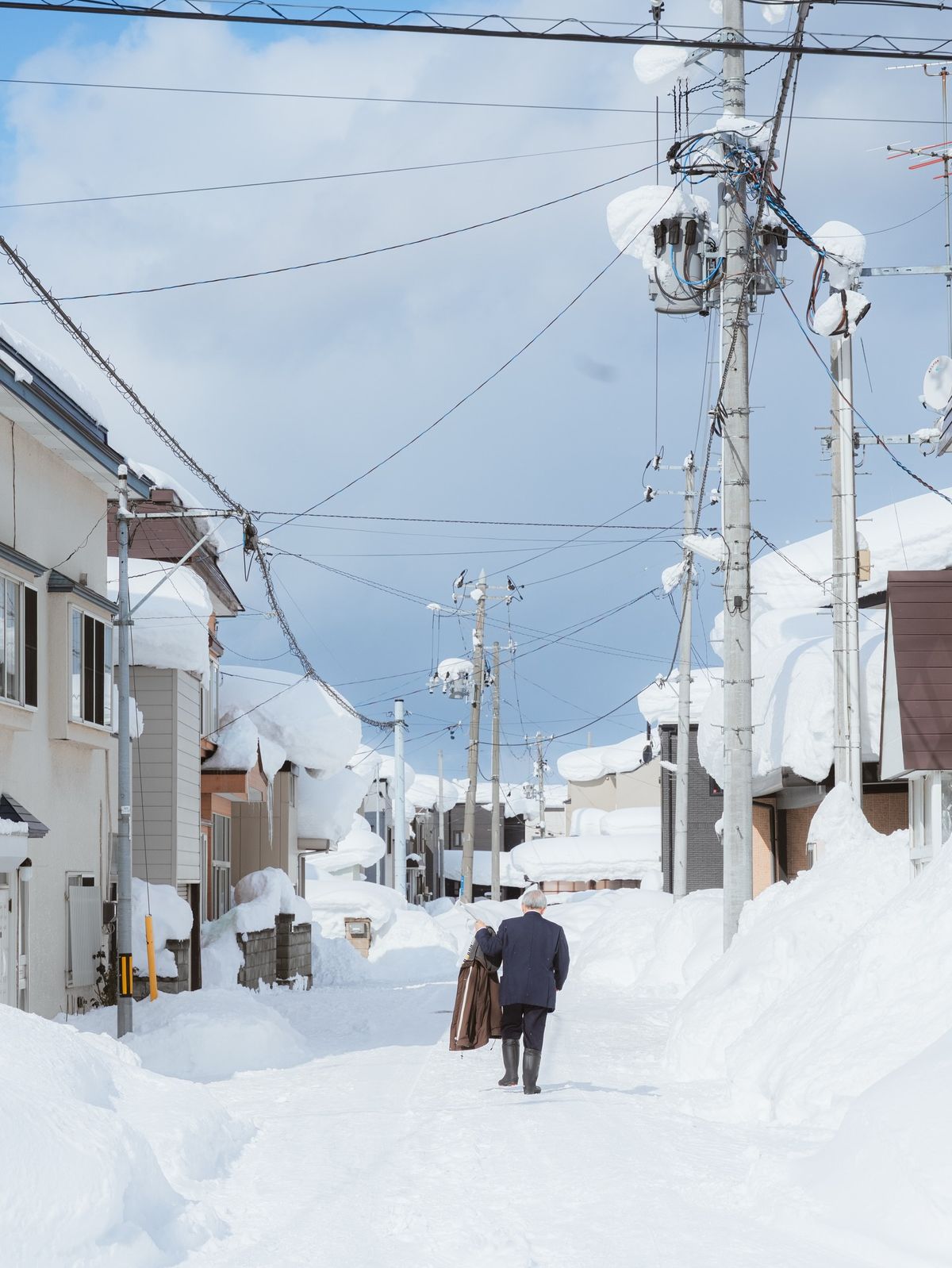
Most people fly into Sapporo and head straight for Niseko. This trip starts in the middle of the island instead. Asahikawa has its own airport, and Biei is about twenty minutes from the terminal. After six days there, it stops for a night in Sapporo, heads south to Yōtei for the last few days, and flies home from New Chitose.
Use Black Cat delivery from the start. Yamato Transport, whose trucks carry a black cat logo, has counters at Narita and Haneda arrivals. Send the ski and board bags straight to the Biei lodging and take the domestic flight north with only a carry-on. Delivery to Hokkaido usually takes about two days, so a night in Tokyo before flying north lines up well. Otherwise, keep boots in the carry-on. Hotels and convenience stores can send the bags on again later: Biei to Sapporo, then Sapporo to the Yōtei side. How Yamato's hands-free travel works.
Day 1Land and settle into Biei
Pick up the car at AKJ and drive straight to Biei. Shirogane Onsen sits up the valley toward Tokachidake. Staying up here means outdoor baths in the evening and a short drive to the Blue Pond, which is lit up at night in winter.
Stock up on groceries in town before the road climbs. Up the valley, dinner is mostly whatever the ryokan serves.
To decide: an onsen ryokan in Shirogane (dinner included, very quiet) or a pension in Biei town (closer to restaurants, easier mornings).
Day 2Kamui Ski Links
Kamui is a small local hill on the west side of Asahikawa, roughly 45 minutes from Biei. One gondola runs up the middle of the mountain, and most of the good skiing is in the trees off the groomers. On a weekday there may be no lift line at all.
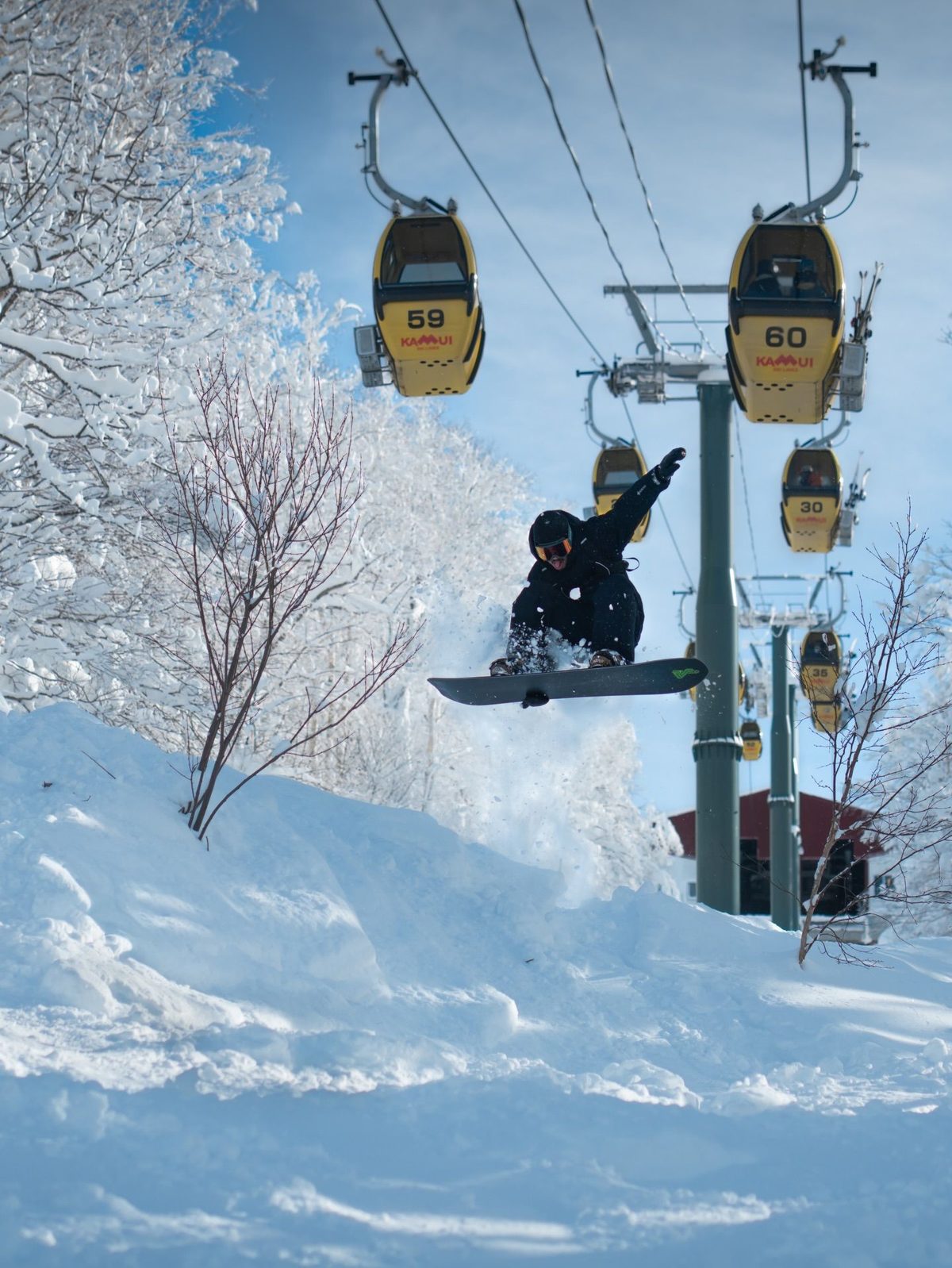
Go early. Lift tickets are cheap compared with the resort towns, and the base lodge does simple curry and udon. Expect light, dry snow and almost no crowds.
The reason to come here is that nobody else does, and the side country access is terrific, with enough terrain to keep it exciting over multiple days.
The best of Kamui is in the trees. Duck off the groomers on either side of the gondola and the snow stays deep and untracked long after a storm, because so few people ride here. Bring a friend and stay within sight of each other in the trees, and stick to terrain you can see the way out of.
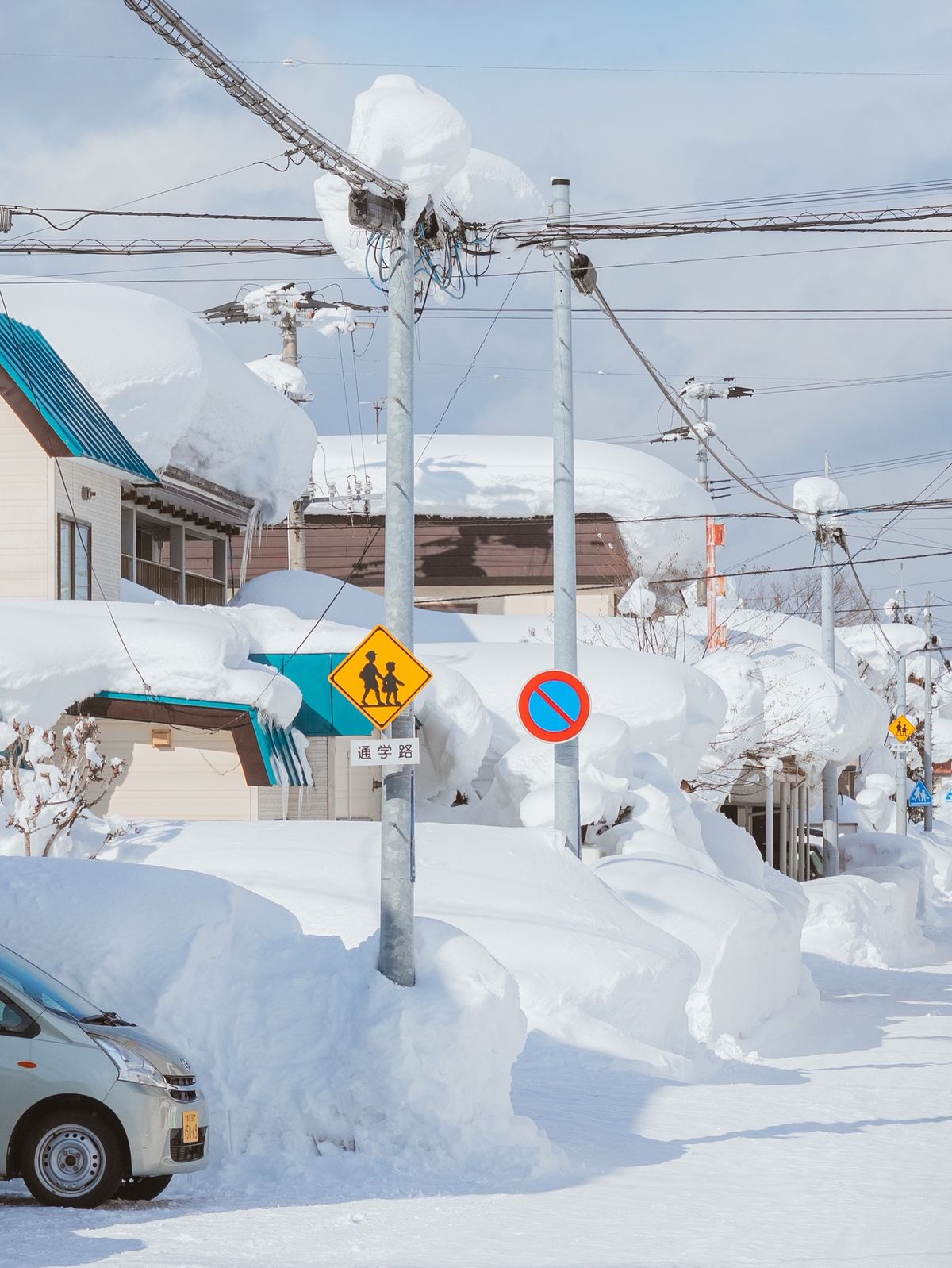
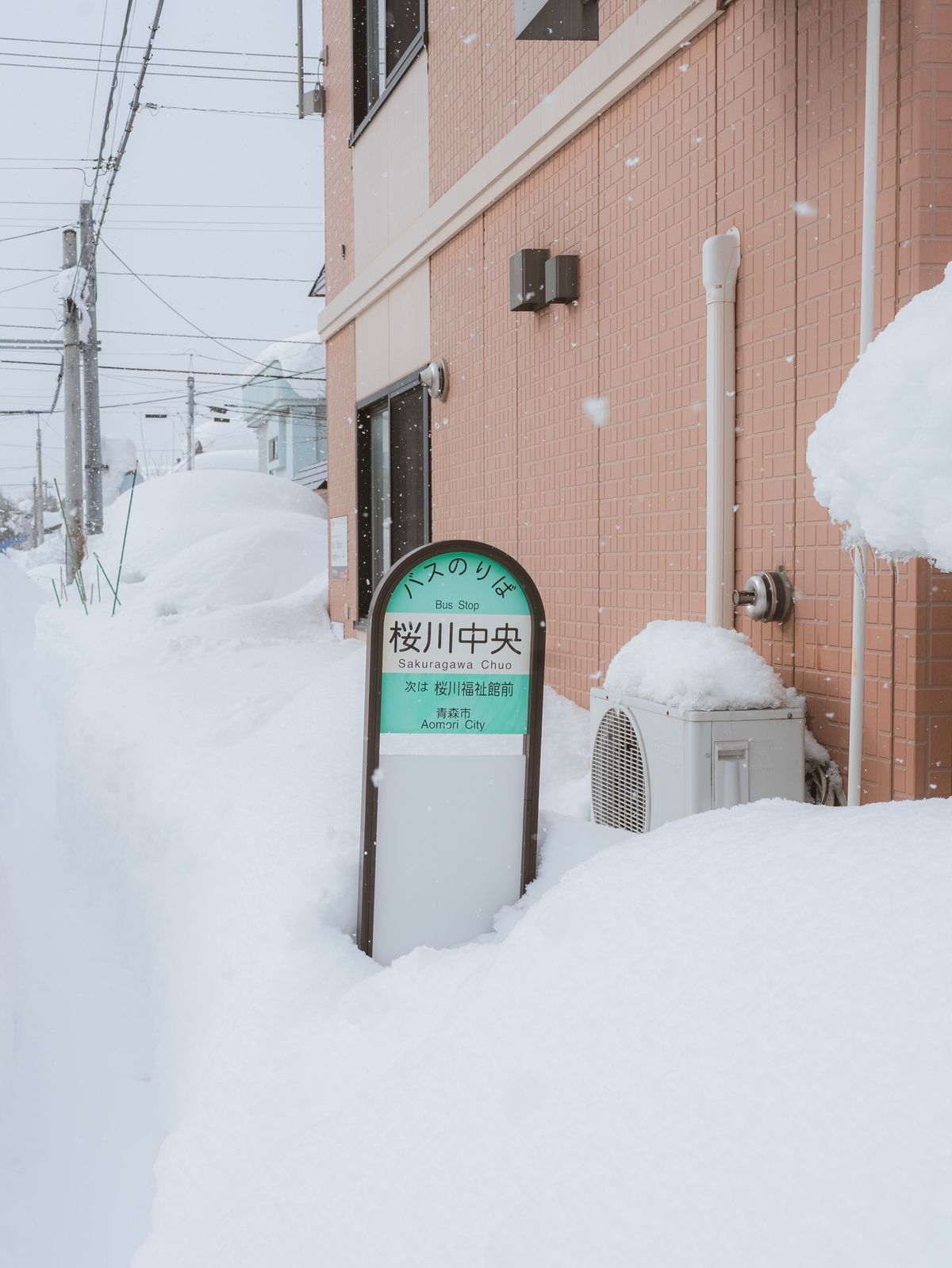
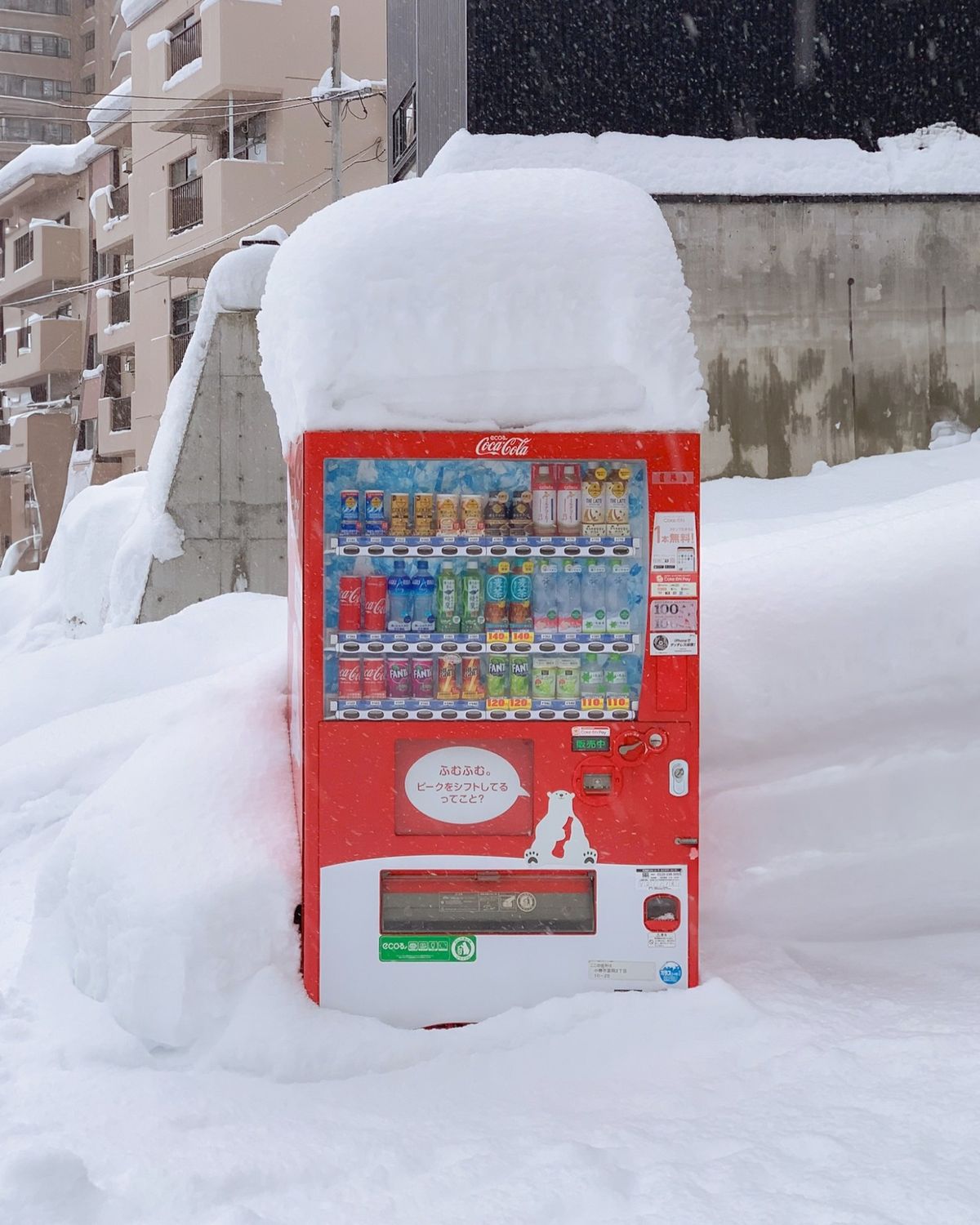
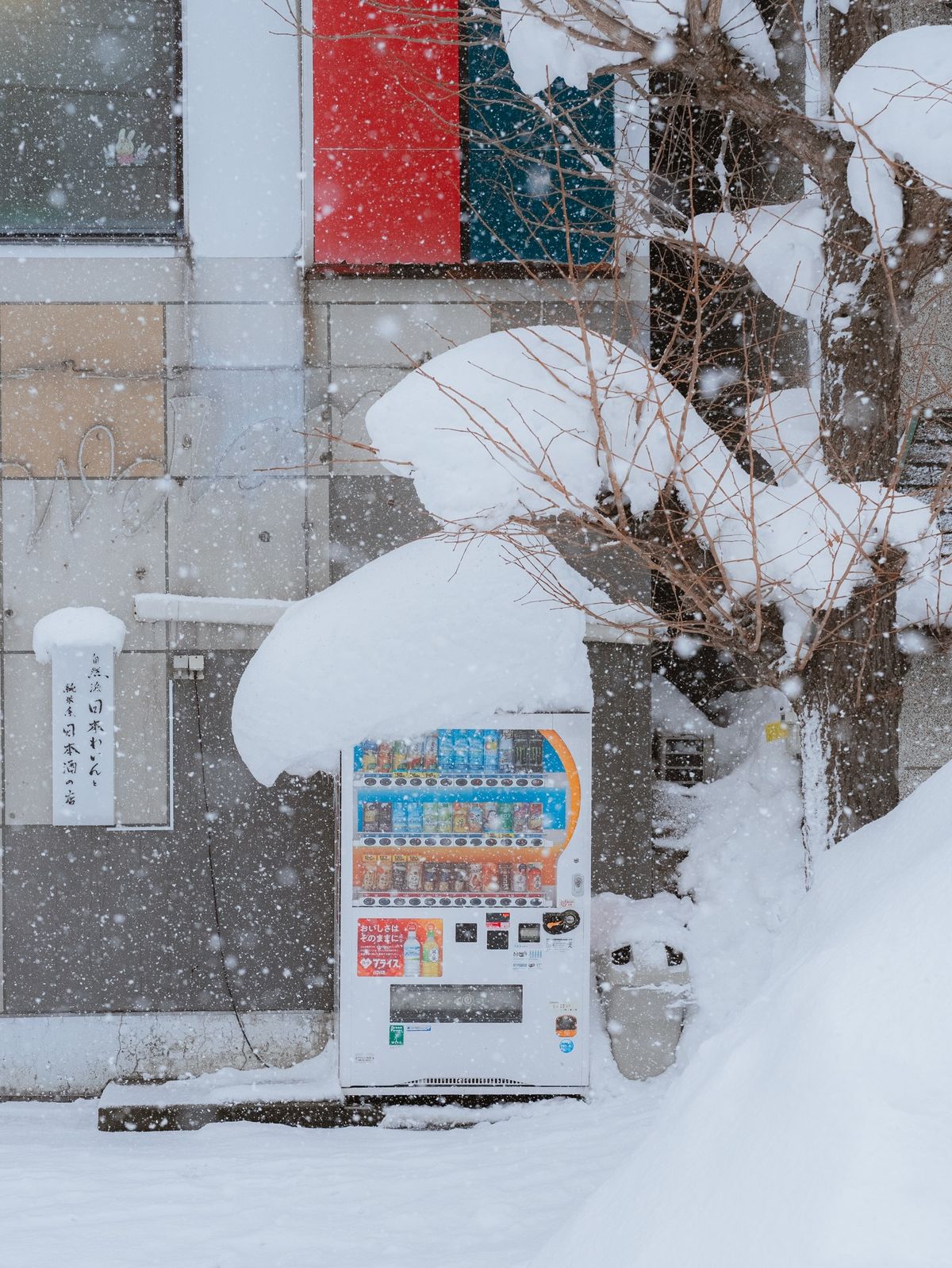
Gear up and eat in Asahikawa
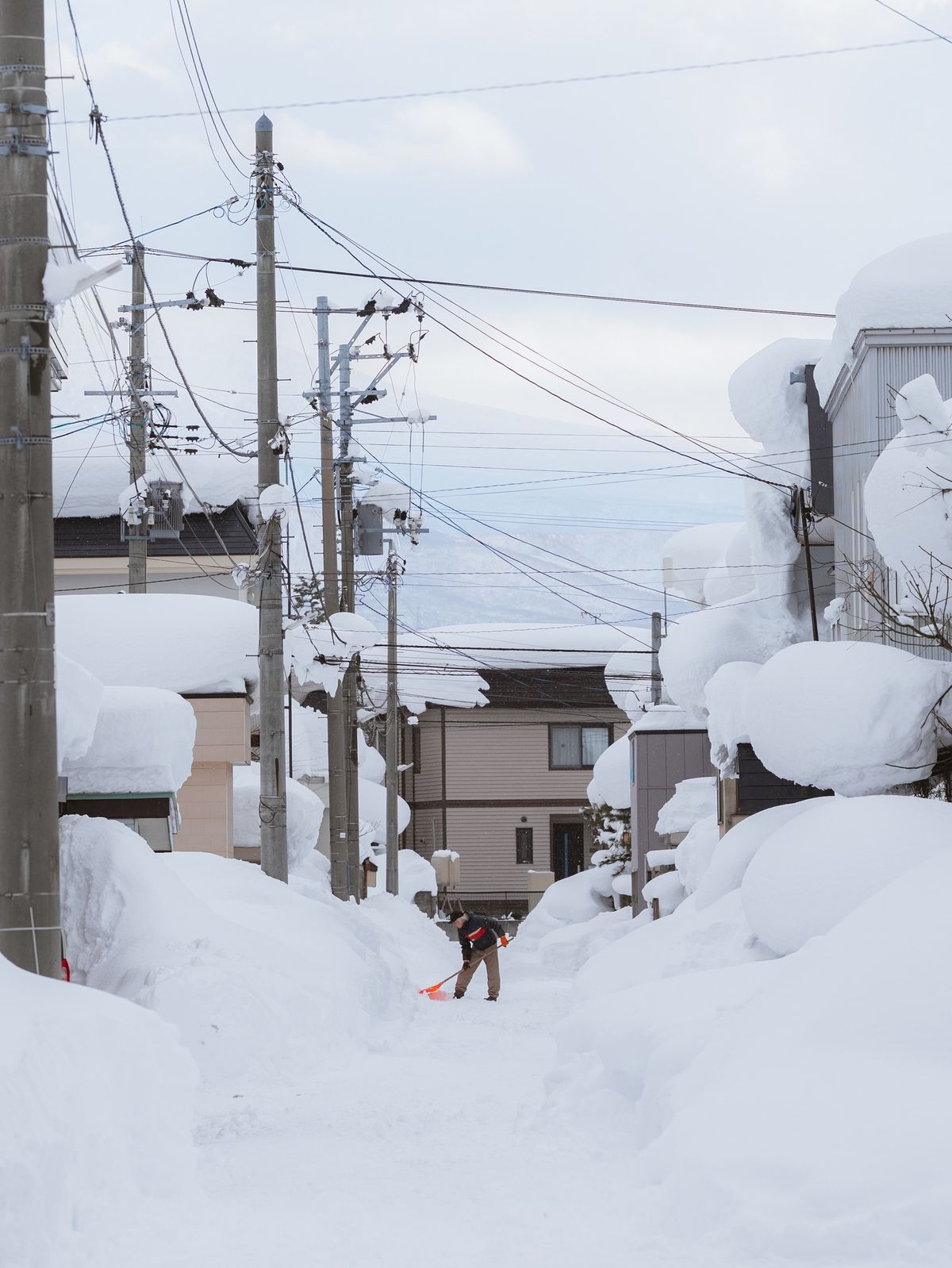
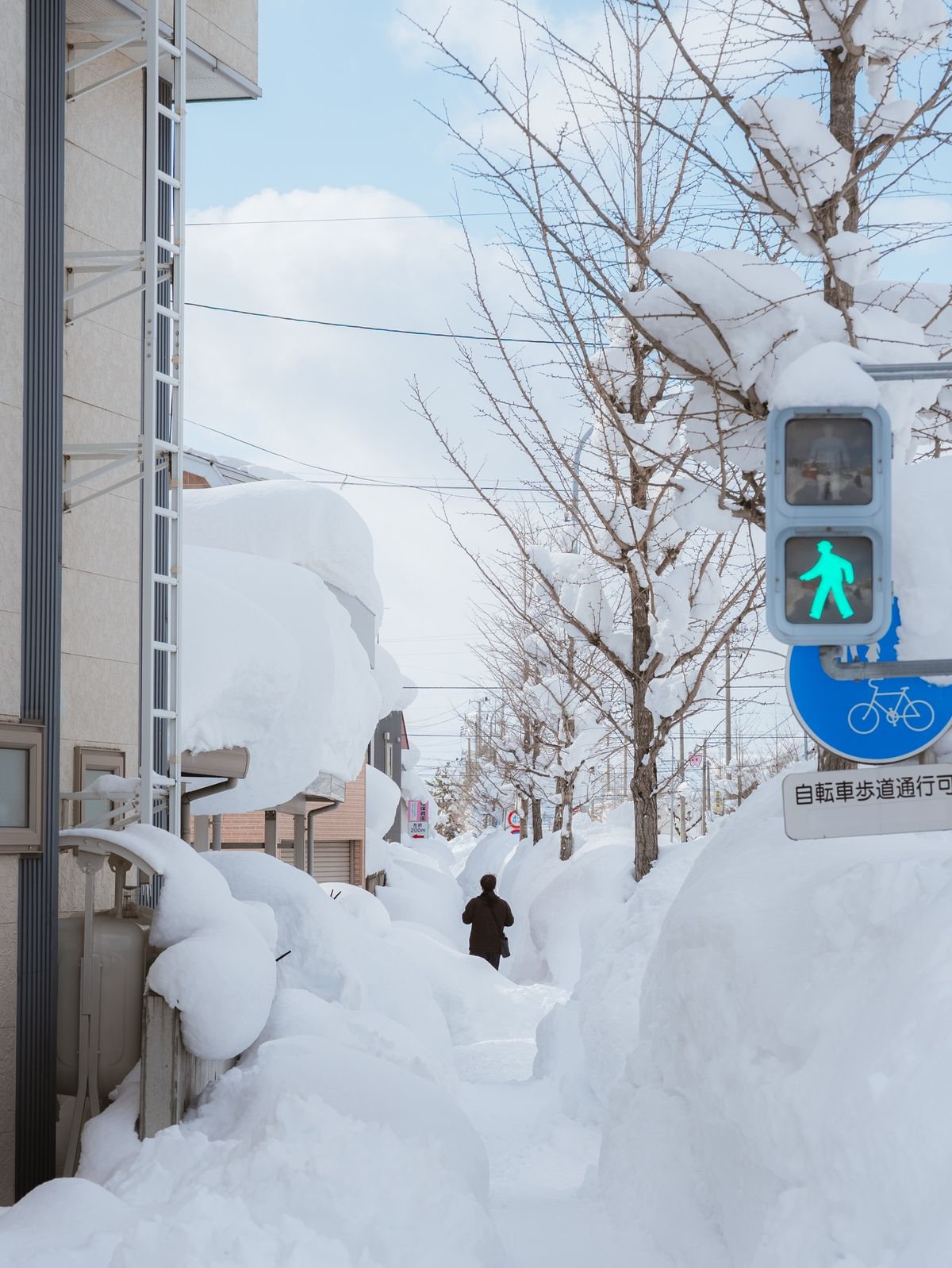
A rest day for the legs, and a chance to sort out gear before Asahidake. Asahikawa is Hokkaido's second city and has its own ramen style: shoyu broth, often with a layer of lard on top that keeps it hot in the cold.
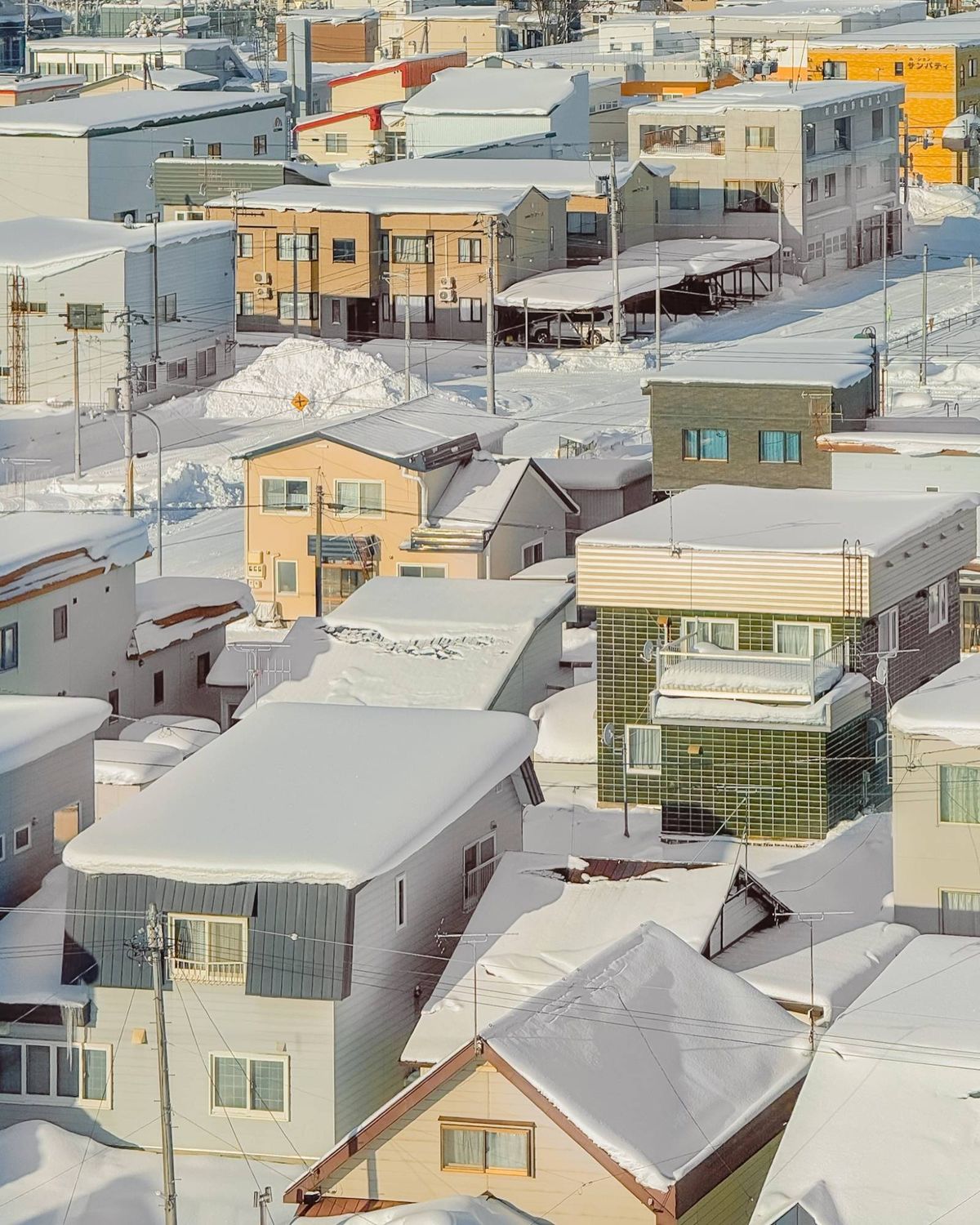
Spray
An outdoor sports shop on the second floor of a building in Toyooka, on the east side of the city. Stop in for skins, gloves, goggles, or local advice on conditions up the mountain. It opens at noon, so do ramen first.
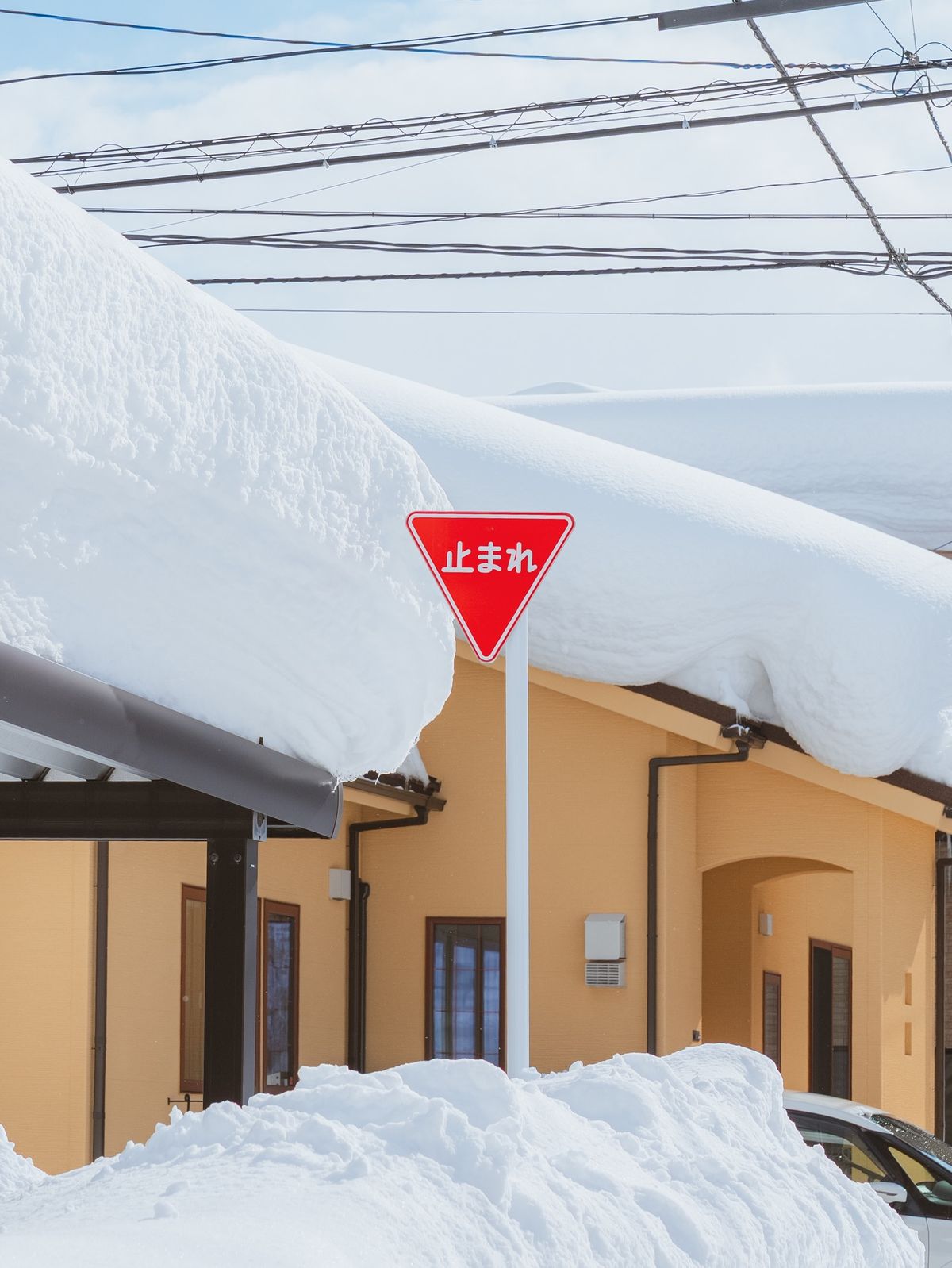
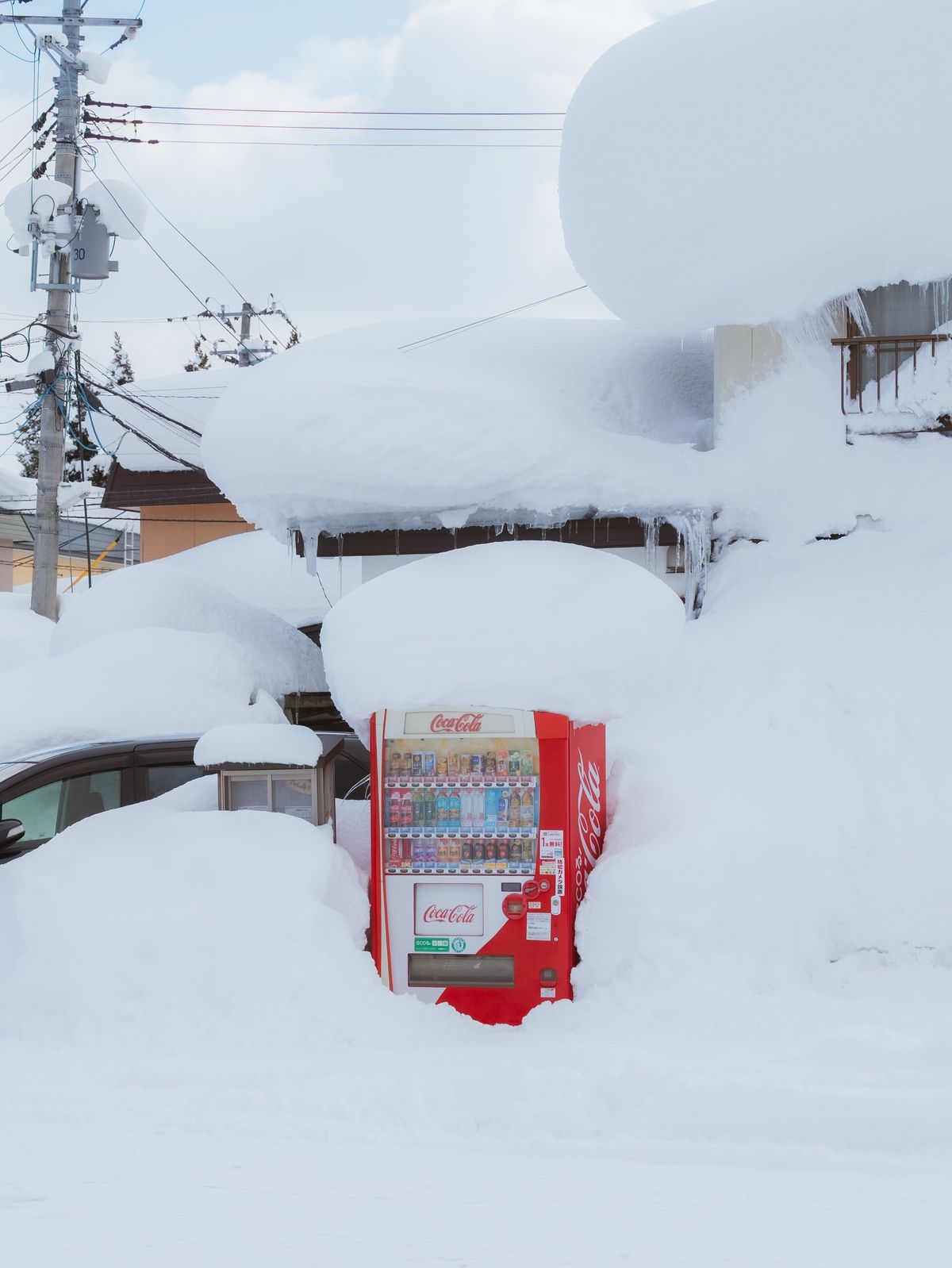
Asahidake, then a long soak
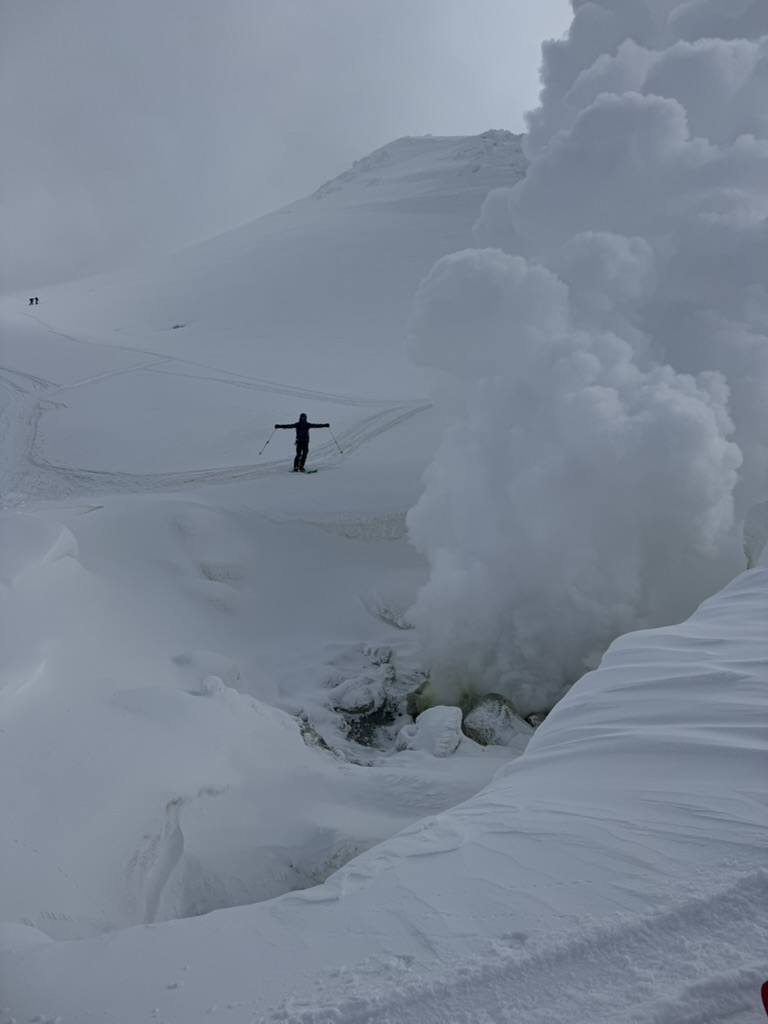
Asahidake is the highest peak in Hokkaido and part of Daisetsuzan National Park. In winter the ropeway climbs from the onsen village to about 1,600 meters. Steam vents hiss on the slope above the top station, and the terrain is open alpine and birch glades.
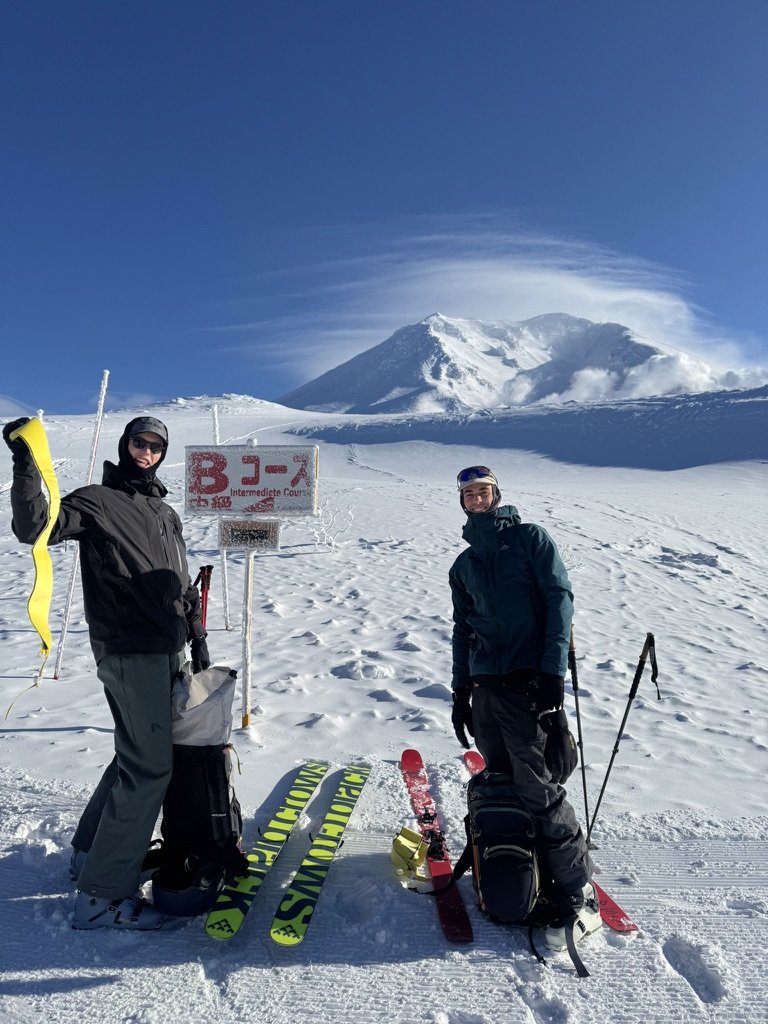
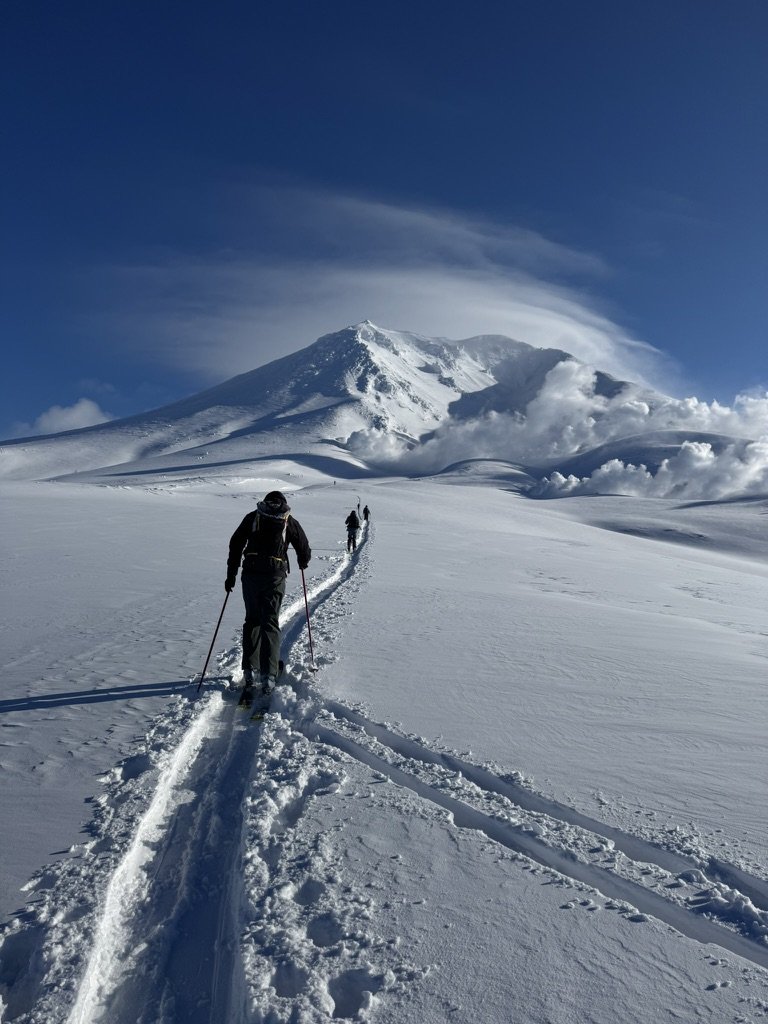
This is backcountry, not a resort. There are no groomed runs and no patrol beyond the ropeway. Hire a local guide, carry avalanche gear, and treat whiteouts seriously. On a clear day it is the best skiing of the trip. On a bad day, ski the lower trees and go to the onsen early.
Give the steam vents a wide berth. The ground around them is warm, the snow over them can be thin, and the gas is sulfurous up close.
The onsen at the bottom
Asahidake Onsen is a handful of lodges at the foot of the ropeway. Yumoto Yukomanso is the one people rave about, with several natural hot spring baths, including an outdoor one in the snow. Most lodges open their baths to day visitors. Go straight there in ski clothes, then drive back through Higashikawa as it gets dark.
To confirm: is Yukomanso the onsen you had in mind? Swap it in here if not.
Day 5The other side: Kurodake from Sōunkyō
Asahidake's ropeway climbs the west side of the Daisetsuzan massif. The Kurodake Ropeway climbs the northeast side, out of the gorge town of Sōunkyō, and a chairlift above it reaches higher still. The terrain is steeper and more committing than Asahidake, with long fall lines through birch. It is the same kind of backcountry, so the same rules apply: guide, avalanche gear, and an early turnaround if it gets dark or windy.
It is a longer drive from Biei, about 1 hour 45 minutes via Kamikawa, so leave early. Sōunkyō has its own hotel onsen for the evening. If the drive feels like too much, stay a night in Sōunkyō instead of driving back.
Day 6Down to Furano for soup curry
Keep the morning open. If one of the mountains was socked in, go back. If the legs are done, do a slow loop around Biei: Shirahige Falls, the Blue Pond in daylight, and the farmland hills under snow.
In the afternoon, drive about 40 minutes south to Furano for soup curry at Furanoya. It is Sapporo-style soup curry: a thin, spiced broth with big pieces of local vegetables and chicken leg, and you choose how hot. Go early, because the line builds fast.
Day 7A night in Sapporo
Pack up in Biei and drive about two hours to Sapporo on the expressway. Stop at ajito for one last Asahikawa bowl on the way out. Stay near Susukino: dinner, drinks, and tomorrow's pancakes are all a short walk from the hotel.
Susukino is the city's nightlife district, and the big Nikka Whisky sign on the main crossing is the landmark everyone meets under. Streetcars run along the edge of it. Go out for dinner and a highball, and leave the car parked.
Pancakes, then south to Yōtei
Start with pancakes a short walk from the hotel, then drive southwest through Otaru, about two hours of driving in all, to the second base in Kutchan or Rusutsu, at the foot of Mount Yōtei.

Otaru on the way
Otaru is about forty minutes from Sapporo and right on the route south, so stop for a couple of hours. Walk Sakaimachi Street, lined with old stone warehouses turned into glass shops like Kitaichi Glass, music box stores, and sweet shops including LeTAO. At the far end is the steam clock outside the Music Box Museum. Have lunch at one of the sushi counters, then loop past the canal before getting back on the road.
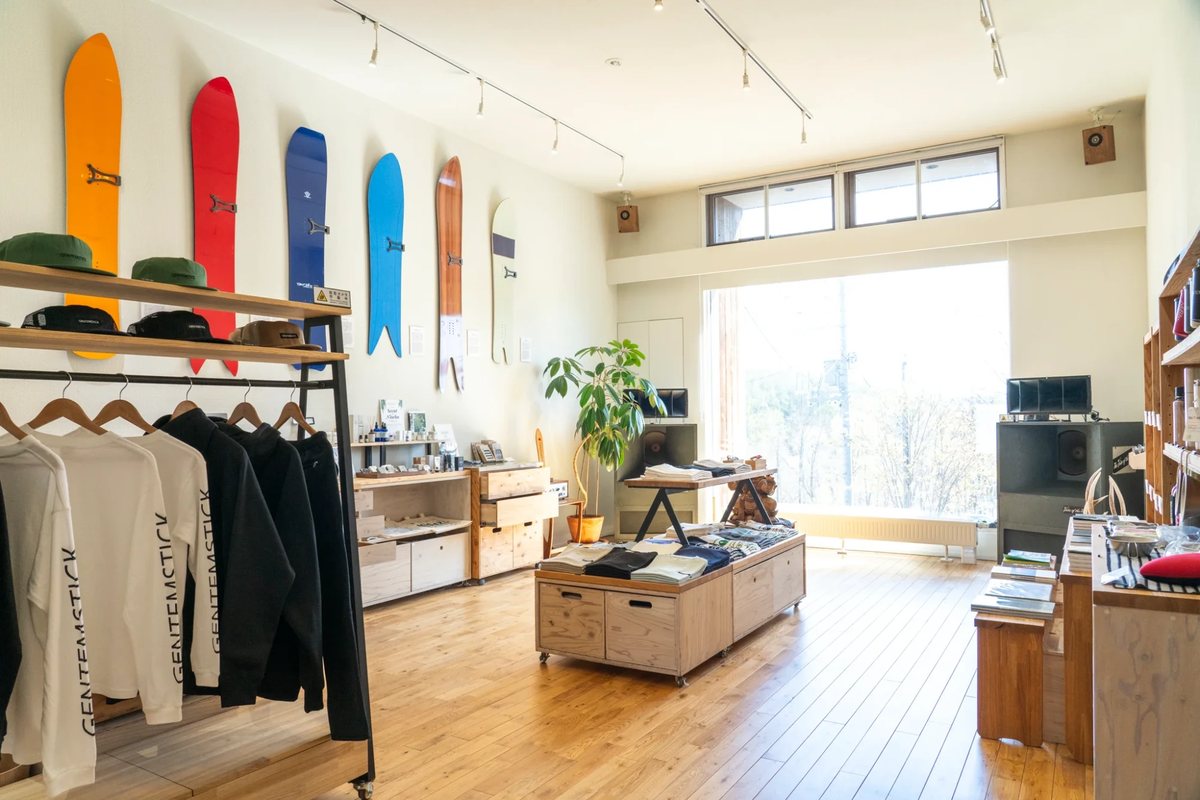
Gentemstick Niseko Showroom
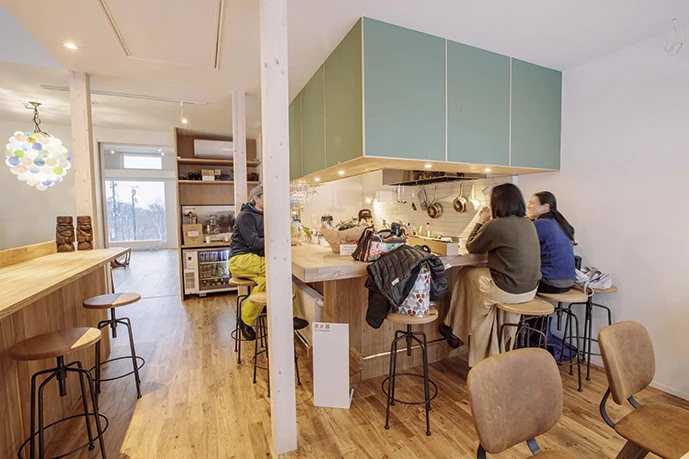
Gentemstick's showroom and snowsurf shop sits in Kabayama, just outside Kutchan, which makes it an easy first stop on arrival. It has the full board line and a small café.
Rusutsu
Rusutsu covers three mountains connected by gondolas, with wide, well-spaced tree runs and much shorter lines than Niseko. The views of Yōtei from East Mountain are the best on the trip. It is a resort day, which is easier on the legs before Yōtei.
Backcountry on Yōtei
Mount Yōtei is the volcano everyone photographs from Niseko. There are no lifts, so it is a full day of skinning up and skiing one of the bowls or gullies off the flanks. This is the most serious day of the trip. Go with a certified guide, start before dawn, and be ready to call it if the wind is up or visibility drops.
Afterward, soak at one of the onsen around Kutchan or Niseko, and eat somewhere close to the hotel.
Day 11Home via New Chitose and Tokyo
Take the bus from Niseko to New Chitose Airport (CTS) instead of driving. It is about two and a half to three hours, and all of these need a reservation, so book a week or more ahead. If you do this, return the rental car in the Kutchan or Niseko area the day before, and check that your rental company allows a one-way drop-off there.
- Hokkaido Resort LinerFrom Hirafu
Leaves from the Hirafu Welcome Centre, about 2 hours 50 minutes to the domestic terminal. Book through Niseko Central.
- BIGRUNS BusFrom Rusutsu
Rusutsu's own airport bus, about 2 hours. Online booking closes 7 days before travel.
- Niseko Bus and other ski busesWinter only
New Chitose Airport's own list of bus routes, including the Niseko and Rusutsu ski buses.
New Chitose is a good airport to have time to kill, so don't cut it close. Ramen Dojo on the third floor of the domestic terminal has around ten shops from across Hokkaido, and the second floor is a long run of food halls, seafood counters, and souvenir shops selling Royce chocolate and Shiroi Koibito. If there's a long layover, there's even an onsen inside the terminal.
A night in Tokyo
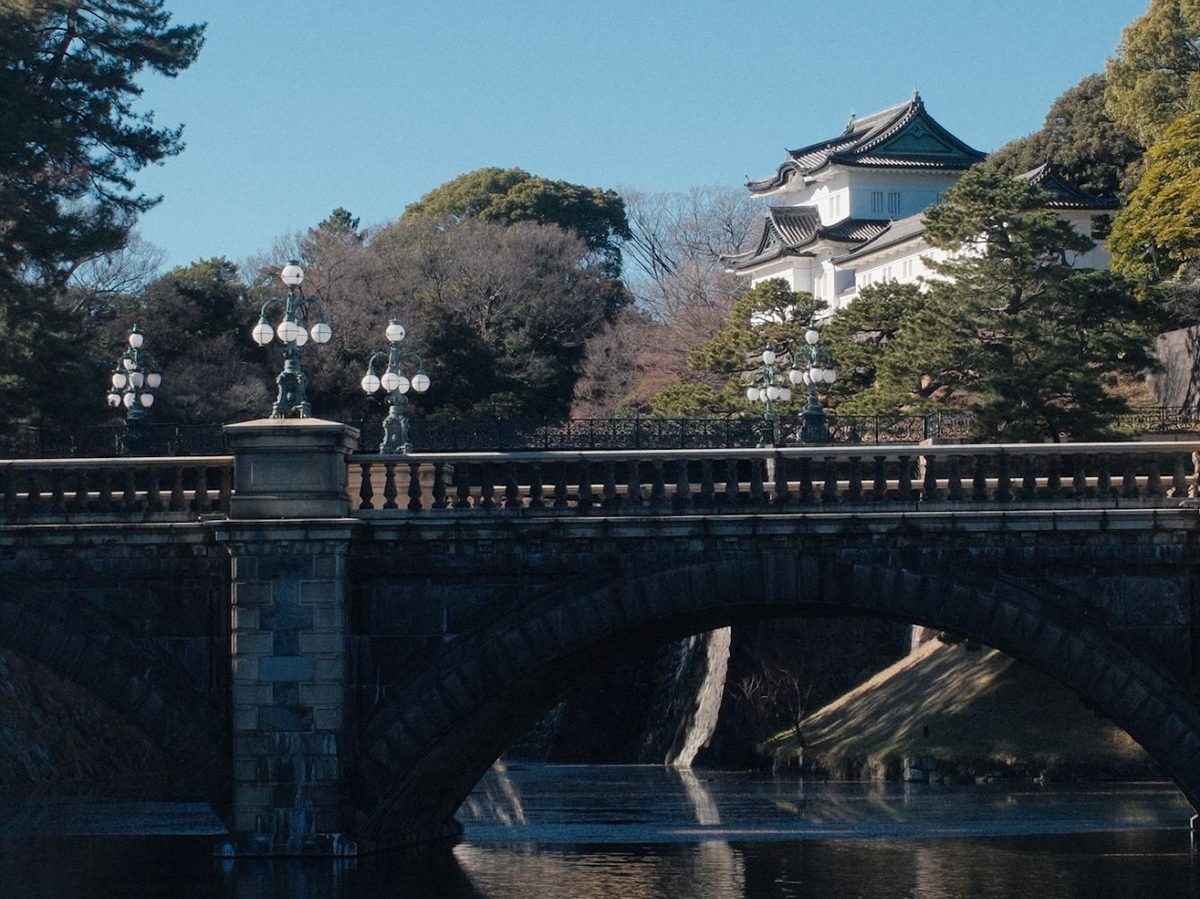
Most flights home connect through Tokyo anyway, so take the domestic hop to Haneda and give yourself a night before the long flight. Walk the moat around the Imperial Palace in the morning, when the light hits the stone bridge and the white turret behind it. The East Gardens are free to enter, but they close on Mondays and Fridays.
If there's time: Rishiri
Rishiri is a volcanic island off the far northern tip of Hokkaido, and the whole island is basically one mountain rising out of the sea. Mount Rishiri is about 1,700 meters, with no lifts, so it is all ski touring. Long couloirs and open faces drop almost straight to the coast.
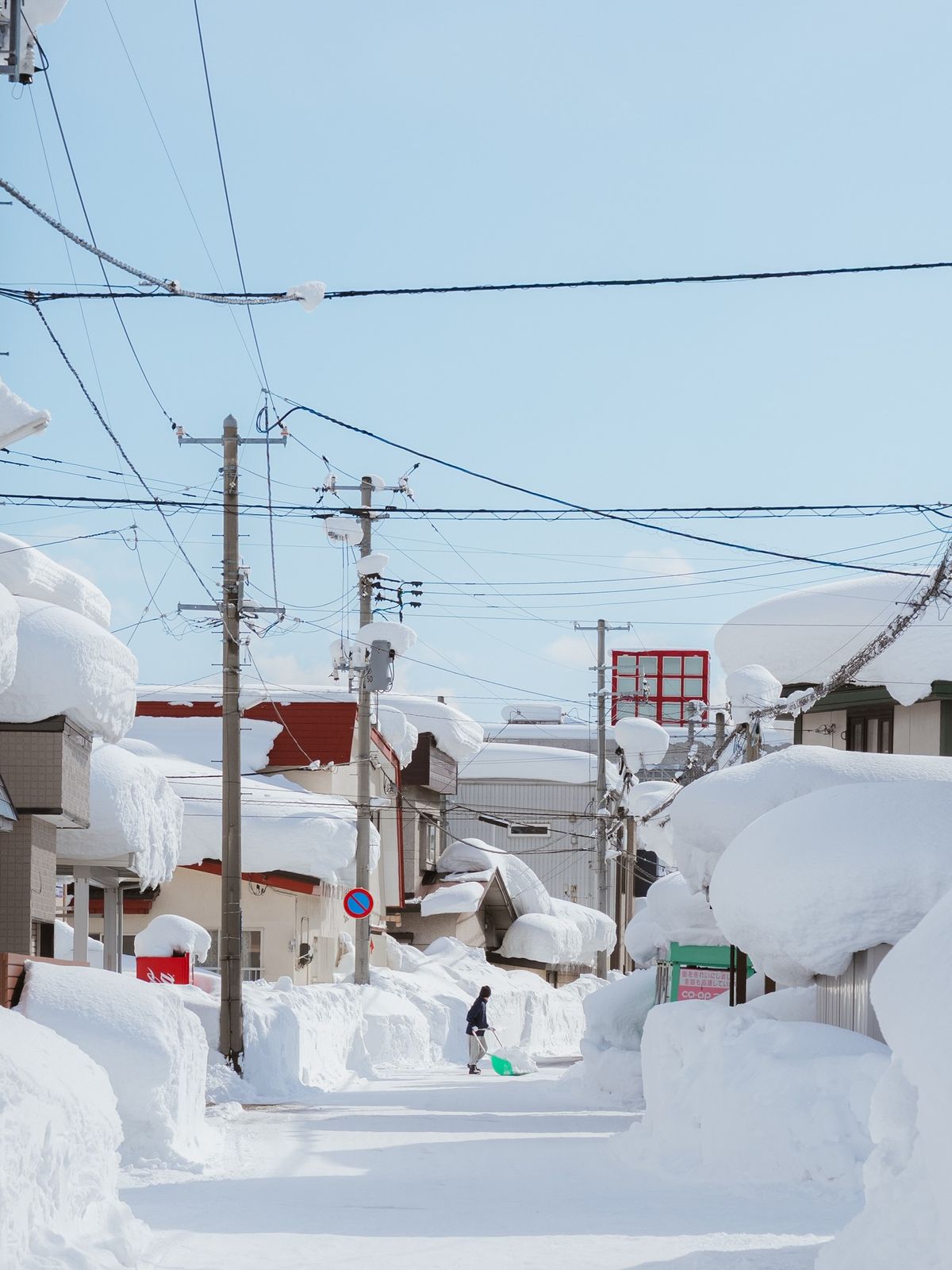
Getting there takes a day. Drive about four hours north from Asahikawa to Wakkanai, then take the ferry across, which takes roughly 1 hour 40 minutes. The weather is fierce and changes quickly, and ferries get cancelled, so plan two or three days with buffer, and go with a local guide who knows the island. It would fit best between the Biei and Sapporo legs, or as its own trip.